Al Fahidi Historical District | Activities | Best Things to Do 2026
The Al Fahidi Historical District hasn’t reflected Dubai’s modern civilization. Now, today, it presents the glamorous look of the traditional era, vibrant with stunning, charming attractions.
Dubai is a vibrant modern city. The captivating allure, skyscraper buildings, and luxury surroundings provide modern facilities. The historic Al Fahidi building in Dubai exudes glamour and captivating beauty. The historical heritage and unique old construction are amazing.
Nowadays, it looks so vibrant, and one realizes the fantastic imagination present in its dramatic scenery. When you move around Al-Fahidi, a unique, calm atmosphere surrounds you. You can’t imagine, when you realize in a moment, that awesome, peaceful, and natural scenery spreads around us.
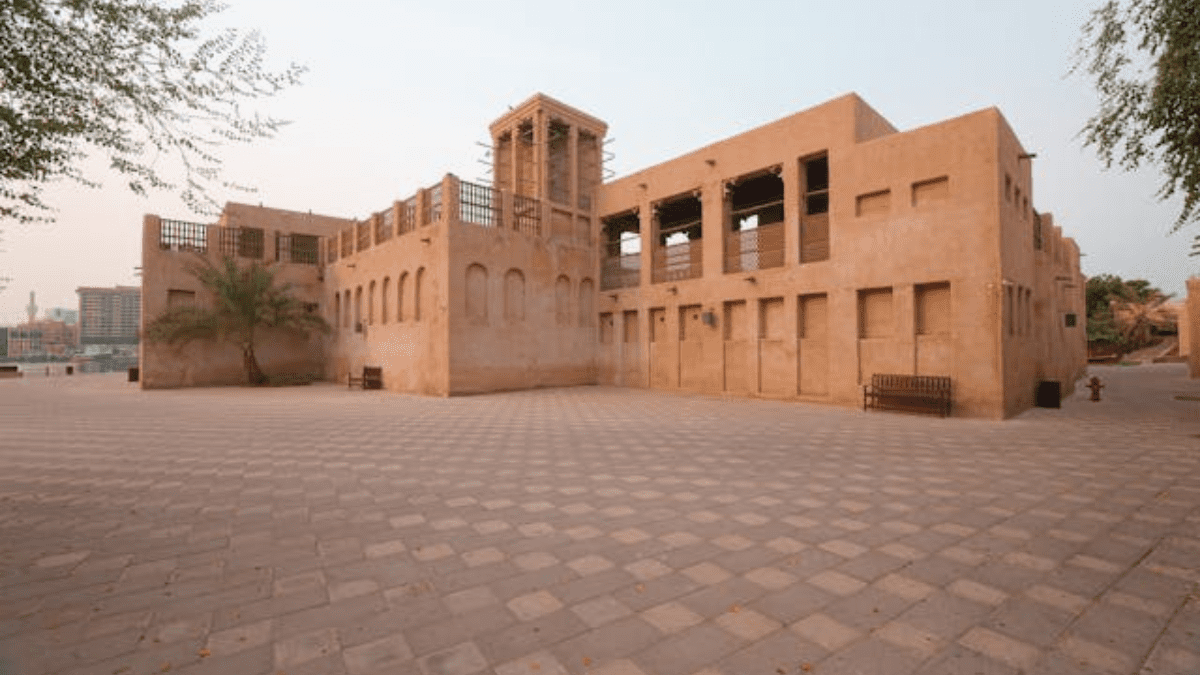
The area is illustrious for Arabic lifestyle, narrow streets, and traditional wind towers. The traditional look of an echoing culture, history, and a beautiful blend of history in the Al Fahidi Historical District.
It is illustrious for the “Al Fahidi historical neighbourhood’ presenting a charming atmosphere and ancient vistage beauty. The past living, breathing, picturesque imagination, construction beauty, cultural heritage, and a unique and captivating place.
In this blog, our efforts to explore the Al Fahidi Historical Neighbourhood are presented in a tourist-friendly way. Many tourists have no idea about the Al Fahidi District. After reading this blog, I find the trip to Al Fahidi beautiful. If you have a question or concern, you can ask it in the comment section.
The ancient traditions of the Alfadi arts-and-crafts style uniquely present Dubai’s allure. The tourist can enjoy the heritage up close, while also feeling an emotional connection with Al Fhidi.
Al Fahidi Historic Area is an exceptional center for cultural events, art exhibitions, and traditional fairs for local and international artists. This area perfectly embodies the balance between Dubai’s rapid modern development.
More than a mere tourist destination, Al Fahidi is a powerful representation of Dubai’s identity, soul, and rich past. The atmosphere here is irresistibly captivating, leaving every visitor with unforgettable experiences that resonate long after their visit.
Table of Contents
1- Al Fahidi Historical District, Chronology
2- Tourist Friendly and Attractions at the Al Fahidi Historical District
3- Popular Top 10 Dining Opportunities with International Cuisine in Al Fahidi District
4- Uncover Events and offers in Al Fahidi Historical District, all details
5- Tips for Travelers to Visit the Al Fahidi Historical District
6- How to reach the Al Fahidi Historical District via Public transport in a cheap way?
7- Unique Souvenir Options at the Al Fahidi Historical District: What to Buy and Where to Buy?
8- Things to do near the Hilton area of Al Fahidi Historical District, Dubai
9- Best Places to Stay in Al Fahidi Historical District in Dubai
10- Dubai Museum at Al Fahidi Historical District, Dubai
11- Five Impressive Facts about Al Fahidi Historical District
12- Wind Tower Construction Facts
13- Conclusion
1- Al Fahidi Historical District, Chronology:
The Al Fahidi Historical District, famous as the Al Bastakiya historical cultural neighbourhood, is nestled on the southern side of Dubai Creek, the 19th-century Bur Dubai. The place exudes old-fashioned, picturesque charm, offering a calm, luxurious environment rather than skyscrapers. The historical district was constructed at the end of the 1800s.
Each Wall, Street, and beautiful building narrates the chronology in a unique style and version. Al Fahidi presents a traditional Arab atmosphere with tall windmills, making it an alluring, significant place. Windmills in ancient times were used to provide cooling in the region.
In ancient times, it was not just a traditional heritage. It showed that people’s intelligence and natural behavior corresponded to a harmonious lifestyle. The narrow and quiet Away from the glare of modernity, a sense of calm and history prevails.
Al Bastakiya, the old name of Al Fahid, is considered the soul of the city. The Narrow streets, mud houses, wind towers, and courtyard houses bring the old traditions of Dubai. When you reach here, you look 150 years old.
Al Fahidi Fort Construction:
The traditional fort of Al Fahid was constructed in 1787, as the Dubai Museum building. The fort protected the city and was accustomed to government meetings.
Al Maktoum Family Arrival:
The Al Maktoum family ruler established the Fort on the bank of Dubai Creek in 1833. From here, the formal government of Dubai was founded, and commercial activities began.
Al Bastakiya:
Wealthy merchants from the Iranian province of Bastak settled in Dubai. Trade incentives offered by the government in 1890 attracted. They constructed traditional Iranian-Arabic style houses, the most notable of which were the famous wind towers.
The Growth of the Pearl Industry:
The golden era of the maritime trade and the pearl industry, from 1900 to 1930. The Al Fahidi trader takes an important role in traditional trade.
Downfall Pearls Industry:
From 1930 to 1950, the introduction of Japanese artificial pearls devastated the Gulf pearl industry. Nevertheless, the economy continued to thrive through maritime and land trade.
Discovering Oil and Modern Dubai:
From 1960 to 1970, the discovery of oil changed the progress of Dubai’s lifestyle. The storm of progress spread around Dubai.
Al Bastakiya half part destroyed:
In 1980, half of the Al Bastkiya was destroyed due to newly built roads and construction.
Modern Time:
Old neighborhoods started to fall into neglect. In the 1980s, half of Al Bastakiya was demolished to make way for new construction.
Between 1995 and 2000, the Dubai government recognized the historical importance of the remaining neighborhood and declared it a protected area.
In 2004, the Coins Museum opened its doors. By 2010, Abu Dhabi had emerged as one of Dubai’s most popular cultural tourist destinations, becoming a hub for art galleries, museums, hotels, and festivals.
2- Tourist Friendly and Attractions at the Al Fahidi Historical District:
Al Fahidi Historical Neighbourhood:
A- History:
Al Faidi historical neighbourhood, settled by an Iranian merchant, belongs to the province of “Bastak,” which is why it’s known as ” Al Bastakia”.
During the Second World War, the neighbourhood was also utilized as a British base. In the 1970s, demolition was announced, yet no one could achieve the goal of protecting Al Fahidi Historical Neighbourhood. Finally, King Charles III saved this building.
B- Current Situation:
The heart of old Dubai, with its narrow streets, wind towers, clay buildings, and art galleries, makes Al Fahidi an awesome place of beauty and luxury.
While moving around, you can enjoy the unique old fragrance and traditional beauty in a calm atmosphere. Nothing is disturbing, and you move randomly on the street.
In the neighbourhood, many cultural and artistic activities are available.
- Art Galleries
- Special Museum
- Cultural centers and the annual “Sikka Art Festival.”
C- What is the best Time?
The best time is early in the morning and evening.
D- Important Key Points:
- Free entry, you don’t have to pay any charges.
- Photography allows you to capture your best moments with family and friends.
- The timing of Al Fahidi from 7: AM to 8: PM
E- Location:
Al Souq Al Kabeer Al Fahidi.
F- Nearest Metro:
From Al Fahidi Metro Station, Green Line daily 7:00 AM to 8:00 PM, free service.
Al Fahidi Fort, Dubai Museum:
A- History:
Al Fahidi Fort, constructed in 1787, is the oldest building in Dubai. Al Fahidi was first settled as residential, then a prison, and became a museum in 1971.
The inside life-size Dioramas present the old luxury life. The Dubai museum is closed for now for new advanced renovation, and an opening date has finally been set for later.
B- Current Situation:
Here you can be amused to see the old beauty.
- Traditional bazaars
- Traditional weapons
- Mud utensils
- Mosques, maritime travel
- Desert tents and Pearl diving scenes look like a show in a lively manner.
C- What is the best Time?
November to April.
D- Important Key Points:
- From 8: AM to 8 PM is the entry timing.
- Al Fahidi Street, Bur Dubai, must watch.
- You can stay in Al Fahidi Fort for 1.5 hours to 2 hours.
E- Location:
Al Fahidi Street, Bur Dubai, in front of the Grand Masjid.
F- Nearest Metro:
The nearest Metro Station to the Dubai Museum is Sharaf DJ Metro Station on the Green Line. It is also known as Al Fahidi metro station. From here, you need only 10-12 minutes to walk to reach the museum.
Al Bastakiya:
A- History:
Al Bastakiya was established in one of Dubai’s oldest neighborhoods in the early 1900s by Persian merchants. Its distinctive architectural style, characterized by wind towers and narrow lanes, reflects the rich cultural heritage of the region.
B- Current Situation:
Today, Al Bastakiya is a vibrant cultural hub that draws both tourists and locals. The area has been preserved and restored, showcasing art galleries, museums, and cafes, making it a perfect spot to experience Dubai’s traditional charm amidst modernity.
C- What is the best Time?
The ideal time to visit Al Bastakiya is during the cooler months from October to April. Early mornings or late afternoons offer the best lighting for photography and a more pleasant atmosphere for strolls.
D- Important Key Points:
- The district is home to significant landmarks like the Sheikh Mohammed Centre for Cultural Understanding and numerous art galleries.
- Visitors should take the opportunity to explore the narrow alleys and discover hidden gems, including traditional cafes and shops.
E- Location:
Al Bastakiya is situated in the heart of Dubai, near Dubai Creek, making it accessible and easy to explore.
F- Nearest Metro:
The nearest metro station, Al Fahidi Metro Station, is a short walk away, providing convenient access to the area.
SMCCU:
A- History:
Founded in 1998, the Sheikh Mohammed Centre for Cultural Understanding was established to promote cultural awareness and understanding among Dubai’s diverse population and visitors, highlighting UAE traditions and values.
B- Current Situation:
The center hosts a variety of programs and activities, including cultural meals, guided heritage tours, and educational workshops that aim to bridge the gap between cultures and foster respect and appreciation.
C- What is the best Time?
Visiting in the cooler months, particularly between November and March, is recommended for outdoor activities and events that the center organizes.
D- Important Key Points:
- The center offers insightful Arabic cultural experiences, including traditional meals and Q&A sessions with Emiratis.
- It serves as an excellent starting point for anyone interested in learning about Emirati culture.
E- Location:
The SMCCU is located in the historic district of Al Bastakiya, making it easy to incorporate into a day of cultural exploration.
F- Nearest Metro:
The nearest metro station is Al Fahidi, within walking distance of the center.
Coffee Museum:
A- History:
Established in 2014, the Coffee Museum celebrates the rich history of coffee and its significance in Arab culture. The museum showcases the evolution of the coffee trade and preparation techniques over centuries.
B- Current Situation:
The museum features various exhibits, including artifacts, brewing equipment, and a tasting area where visitors can sample different coffee blends from around the world.
C- What is the best Time?
The best time to visit is during the weekdays, when the museum is less crowded, allowing for a more personalized experience.
D- Important Key Points:
- Engaging workshops and coffee tastings offer visitors a hands-on experience.
- It’s an excellent spot for coffee enthusiasts to learn about the beverage’s deep-rooted history.
E- Location:
The Coffee Museum is conveniently located in Al Bastakiya, making it an easy addition to your cultural itinerary.
F- Nearest Metro:
The closest metro station is Al Fahidi, just a short distance away.
Coins Museum:
A- History:
The Coins Museum, which opened in 2013, is dedicated to the history of currency in the UAE and the wider Arabian Peninsula, tracing the evolution of coins from ancient times to the present day.
B- Current Situation:
Exhibits include a diverse collection of coins from different eras and cultures, illustrating their economic and historical significance while offering visitors insights into trade and commerce in the region.
C- What is the best Time?
Visiting during weekdays avoids the busy weekend crowds, allowing for a more in-depth exploration of the exhibits.
D- Important Key Points:
- The museum provides educational tools for understanding the importance of currency in shaping societies.
- Guided tours are available for those who want a deeper dive into the history.
E- Location:
The Coins Museum is located within the Al Fahidi Historical Neighborhood, making it easily accessible for visitors exploring the area.
F- Nearest Metro:
The nearest metro station is Al Fahidi, a brief walk from the museum.
Abra, Marine:
A- History:
The traditional abra (water taxi) service has been a vital part of Dubai’s transport system for over a century, used for crossing Dubai Creek and connecting the trade routes that have historically defined the city.
B- Current Situation:
Today, abra rides are a favorite among tourists and locals alike, offering a charming way to experience Dubai’s bustling waterways and scenic views of the skyline.
C- What is the best Time?
The best time to enjoy an abra ride is during the early morning or late afternoon when the weather is cooler, and the views are picturesque.
D- Important Key Points:
- A ride on an abra is inexpensive and provides a unique vantage point of both old and new Dubai.
- It’s a must-do experience that adds a memorable element to any visit to the city.
E- Location:
The abra stations are conveniently located along Dubai Creek, with major terminals near the Al Fahidi area.
F- Nearest Metro:
The nearest metro station is Al Ras, which is within walking distance of the abra stations.
Nearby market: gold, spices, and clothes:
A- History:
Marketplaces have long been integral to Dubai’s economic and social life, with the Gold Souk and Spice Souk being historically significant trade centers that reflect the city’s vibrant commerce.
B- Current Situation:
Today, these markets continue to thrive, attracting visitors with their lively atmospheres, offering a wide variety of gold jewelry, exotic spices, traditional clothing, and souvenirs.
C- What is the best Time?
Visiting in the late afternoon or evening is ideal, as the markets come alive with activity, and the cooler temperatures enhance the shopping experience.
D- Important Key Points:
- Haggling is common in these markets, adding a fun and interactive element to shopping.
- The sensory experience of the spice market is particularly noteworthy, with a myriad of scents and colors.
E- Location:
The Gold and Spice Souks are located close to the Abra stations at Dubai Creek, making for easy access.
F- Nearest Metro:
The nearest metro station is Al Ras, within walking distance of the souks.
Calligraphy House:
A- History:
Established to celebrate the art of Arabic calligraphy, the Calligraphy House showcases the historical and contemporary significance of this traditional form of art, reflecting the beauty of the Arabic language.
B- Current Situation:
The house serves as an art gallery, educational space, and workshop venue, offering visitors the chance to view stunning calligraphy pieces and participate in calligraphy classes.
C- What is the best Time?
Weekdays are preferable for a quieter experience, allowing for a deeper appreciation of the art and its cultural context.
D- Important Key Points:
- The venue often hosts exhibitions featuring prominent calligraphers and their works.
- It provides an interactive experience for those interested in learning about this unique art form.
E- Location:
The Calligraphy House is conveniently situated within Al Bastakiya, making it an easy stop during your cultural exploration.
F- Nearest Metro:
The nearest metro station is Al Fahidi, just a short stroll away from the house.
3- Popular Top 10 Dining Opportunities with International Cuisine in Al Fahidi District:
Al Fahid Historical District provides a wide range of popular international cuisine and tea options. You can enjoy Emirati, Pakistani, Arabic, Indian, and International cuisine with mouth-watering flavors. Here we discuss some major cafes and restaurants.
| Restaurant Names | Cuisine Taste | Timing |
| · Al Khayma | Traditional Emirati Taste | 8:00 AM to 11: 00 PM |
| · Arabian Tea House | Arabic Breakfast | 7:00 AM to 11:00 PM |
| · Creek City Restaurant | International Cuisine | 9:00 AM to 1:00 PM |
| · Local House Restaurant | Camel Cuisine/ Emirati taste | 10:00 AM to 10:00 PM |
| · Bayt Al Wakeel | Maritain food | 11:00 AM to 11:30 PM |
| · Bollywood Tadka | Indian Veg | 8:00 AM to 11:00 PM |
| · Saffronlane | Fusion Veg | 10:00 AM to 11:30 PM |
| · New Kabab Al Madina | Arabic/Pakistani Cuisine | 6:30 AM to 12:30 PM |
| · XVA Art Hotel | Middle Eastern Cuisine | 7:00 AM to 10:00 PM |
| · Al Nawaz Hotel | South Asian/Chinese/BBQ | 9:00 AM to 11:30 PM |
Al- Khayma Heritage Restaurant:
Al Khayma Heritage is the best-rated restaurant in Dubai due to its tasty, healthy cuisine in a traditional Emirati style. The live Arabic candles and Arabic music make an entertaining atmosphere.
Especially, the environment looks so vibrant when you eat your meal beneath the shade of a big tree in the courtyards.
A- Famous Cuisine Options:
Grilled shrimps, mixed grill platter, Birayani rice, tea, and especially coffee make all the cuisine delicious.
B- Timing:
8:00 AM to 11:00 PM
Arabian Tea House:
In Al FAhidi, the famous Cafe Arabian Tea House built in 1977, illusterious to provide for providing traditional food and Emirati Breakfast. Let’s get ready to taste the riqaq bread, baltit, omelet, and tea. The resutarnt have an honor to provide the cuisine in traditional Arabic cuisine flavor.
Nestled in the heart of the Al Fahidi District, and eating food inthe courtyrad make a amusing pleasure.
A- Famous Cuisine Options:
- Emirati breakfast tray
- Arabian Luqaimat sweet balls with honey syrup
- mint lemonade
- cardamom coffee.
B- Timing:
7:00 AM to 11:00 PM.
Creek City Restaurant:
Nestled inside Grand Souk on the first floor, present a luxurious environment of Dubai Creek. You can enjoy national and international cuisine in a stylish setting. You can enjoy the Arabic Kebab dishes in Turkish cuisine.
A- Famous Cuisine Options:
- Tukish Kebab Platter
- Various Middle Eastern dishes
- Lentils Soup free
B- Timing:
9:00 AM to 1:00 PM
Local House Restaurant:
Set in a vibrant part of the city, this restaurant celebrates local cuisine with a menu that highlights traditional Emirati dishes. This restaurant is special in Al Fahidi, enjoy camel meat in extraordinary, rich, mouthwatering, and tasty cuisine.
A- Famous Cuisine Options:
- Camel meat Burger
- Camel Meat Biryani
- Camel Hummus
- Traditional Emirati Breakfast
B- Timing:
- From Monday to Friday: 10:00 AM to 10:00 PM
- Saturday & Sunday: 10:00 AM to 11:00 PM
Bayt Al Wakeel:
Nestled on the banks of Dubai Creek, the restaurant’s view mesmerizes you with its unique vibrancy. Hidden in the narrow street, the cozy atmosphere of restaurnat impress you at first sight.
As you enter, the luxury scenery of water and passes abounds to amuse you at first sight.
A- Famous Cuisine Options:
- Fried Calamari
- Maritarine food
- Arabic Main Popular Dishes
B- Timing:
11:00 AM to 11:30 PM
Bollywood Tadka:
The Bollywood Tadka is an Indian vegetarian restaurant nestled near the Dubai Museum. The flavourful cuisine is prepared in the authentic Punjabi and Rajasthani flavours. The restaurant is perfect for Urdu- and Hindi-speaking visitors.
A- Famous Cuisine Options:
- Dal Bati Churma
- Amristsar Kulcha
- Veg Grilled Sandwich
- Dhokla
- Pan Ice Cream
B- Timing:
8:00 AM to 11:00 PM
Saffronlane:
Nestled in Meena Bazaar, considered a heavenly place for vegetarian and international fusion.
A- Famous Cuisine Options:
- Tandoori Momos
- Amritsari Kulcha
- Homemade Pan Rasmalai
- Gajar Ka Halwa
- Butterscotch dessert
B- Timing:
- From Sunday to Thursday: 10:00 AM to 11:30 PM
- Friday and Saturday: 10:00 AM to 12:30 PM
New Kabab Al Madina:
The restaurant is renowned for Indian, Pakistani, and Arabian cuisine. The restaurant looks simple, but its mouthwatering taste urges visitors to visit once again.
A- Famous Cuisine Options:
- Mix Arabic Kebab & tea
- Pakistani & Indian Biryani
B- Timing:
6:30 AM to 12:30 PM
XVA Art Hotel:
Nestled within the XVA Art Hotel, this restaurant offers a delightful mix of Middle Eastern contemporary and traditional dishes, prepared with fresh local ingredients.
The tranquil setting includes beautiful three-sided art-filled courtyard views, making it a serene spot for a relaxing meal. The restaurant often hosts art exhibitions, enhancing the cultural experience.
A- Famous Cuisine Options:
- Vegetarian & Vegan dishes
- Plant-based fare like eggplant burgers
- Pumpkin rotis
- Ice cream dessert
B- Timing:
7:00 AM to 10:00 PM
Al Nawaz Restaurant:
The popular budget-friendly restaurant is nestled near Al Fahidi Souq, Meena Bazaar, Bur Dubai. The casual vibe impresses and amuses the visitors, and its unique, tasty cuisine is offered in South Asian, Chinese, and BBQ dishes.
A- Famous Cuisine Options:
- Nawaz Special Tikka Biryani
- Varities of rolls like Kohinoor stuffed rolls, Italian rolls, and cheese stuffed rolls
- Varities of BBQ & curries
- Varieties of vegetarian specialities
B- Timing:
9:00 AM to 11:30 PM
Important Tips about Restaurants:
- The evening from 7:00 pm to 9:00 pm is perfect.
- Yet you should book before visiting a big, popular restaurant.
- Urdu, English, and Hindi are all languages accepted.
4- Uncover Events and offers in Al Fahidi Historical District, all details:
Sikka Art Festival:
The Sikka Art Festival, held in March, showcases a vibrant celebration of creativity and culture in the historic Al Fahidi district of Dubai.
Princess Latifa Bint Muhammad annually organizes the largest festival in Al Fahidi.
This festival features a diverse array of artistic expressions, including visual arts, performances, and interactive installations that invite visitors to immerse themselves in the local art scene.
Seasonal cultural events from October to March:
In addition to the festival, Al Fahidi is known for hosting a variety of seasonal cultural events from October to March. It offers residents and tourists alike the opportunity to experience the rich heritage of the area.
These events often include workshops, exhibitions, and cultural presentations that highlight traditional Emirati practices.
The exhibition showed crafts exibition, music, poetry, and traditional tasty cuisine.
(SMCCU):
For those interested in exploring local spirituality. The Sheikh Muhammed Centre for Cultural Understanding (SMCCU) offers guided mosque visits, providing in-depth insights into Islamic culture and architecture.
Visitors can find all the necessary details about events and offers available in Al Fahidi, making it an ideal destination for those looking to enrich their experience in Dubai.
5- Tips for Travelers to Visit the Al Fahidi Historical District:
Proper Dressing:
- Before visiting Al Fahidi, wear proper dress.
- The women also wear a scarf, especially when visiting the mosque.
- Al Fihidi administration’s forced traditional sector.
Entrance Fee:
- Almost all Fahid tours do not pay any entry fee.
- It recommends only a few places. Like the Dubai Museum, and an Abra ride.
- If you prefer to use a credit card, you can pay the charges.
Photography:
Don’t use any flash inside the museum. You are fully allowed to capture pictures of streets, buildings, and courtyards. Make sure, before taking pictures, to avoid crowded scenes, even if some people may be angry.
So make sure you have permission to take pictures in the courtyard, people.
Some Important Apps in Dubai:
You can also use some major apps to avoid any difficulties.
- Google Maps is used for searching for roads to reach the correct destination.
- RTA Dubai uses for metro bus services.
- Cream/Uber app is used for taxi.
- Visit Dubai is a tourism guide to help you visit Dubai in the best way.
Best Time:
- Morning from 8:00 AM to 11:00 AM is considered the best time to visit any tourist attraction.
- From 4:00 PM to 8:00 PM, you can enjoy the beautiful scenery of the sunset.
- From 12 AM to 3:00 PM is the afternoon; avoid visiting any place, because the weather is hot.
- Friday morning is calm, peaceful, and a deluxe beauty.
Important Tips for Visitors:
- If you are a beginner and visit Dubai and have no idea about Al Fahidi. So don’t worry, book a guide from SMCCU.
- Many traders who speak English, Urdu, and Hindi will assist you during your tour.
6- How to reach the Al Fahidi Historical District via Public transport in a cheap way?
Here we mention some cheap ways to reach any destination.
Via Metro:
Hop on the green line at Al Fahidi Metro station for a convenient and efficient journey. You only need 5 to 10 minutes on foot to reach Al Fahidi.
Via Bus:
The Al Fahidi Bus Station is closed, and many bus passes. The RTA bus service is cheap and considered reliable to reach Al Fahidi.
Via Abra:
From Dera Station, choose an abra ride and cross the Dubai Creek. You have to pay only one dirham and enjoy an abra ride on a memorable traditional voyage of Dubai.
From Taxi/ Uber:
From Google Maps, type Al Fahidi Historical Neighbourhood or Dubai Museum and book an Uber ride to go to Al Fahidi. The Taxi driver also went to Al Bastakiya.
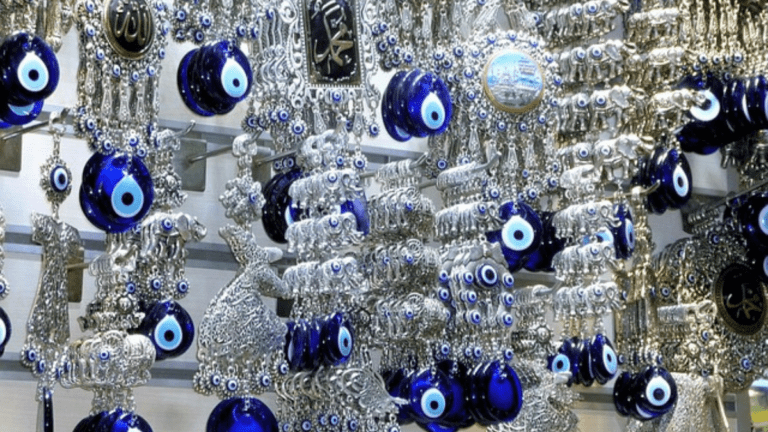
7- Unique Souvenir Options at the Al Fahidi Historical District: What to Buy and Where to Buy?
Al Fahidi Historical District, one of Dubai’s most historic neighborhoods, offers a treasure trove of unique souvenirs that reflect the rich culture and heritage. As you stroll through its charming lanes, you’ll encounter a variety of shops and stalls brimming with artisanal crafts, traditional textiles, and one-of-a-kind keepsakes.
What to Buy:
A- Handcrafted Pottery:
One of the standout items in Al Fahidi is the exquisite handcrafted pottery. Look for beautifully designed bowls, vases, and plates that showcase intricate patterns inspired by Islamic art. Each piece is unique, making it a perfect memento of your visit.
B- Textiles and Fabrics:
The vibrant textiles available in Al Fahidi are a feast for the senses. From colorful pashmina shawls to richly embroidered table runners, you’re sure to find something special. These fabrics not only make for beautiful souvenirs but also serve as fashionable items when you return home.
C- Traditional Arabian Spices:
No visit to Al Fahidi would be complete without bringing back some of the region’s aromatic spices. Visit local spice shops where you can find everything from saffron to za’atar, all beautifully packaged and ready to take home. These spices can add a touch of the Middle East to your culinary endeavors.
D- Artisan Jewelry:
Discover custom-made jewelry pieces that reflect traditional Arabian designs. Whether you prefer silver, gold, or even the intricate artistry of gemstone settings, the local artisans offer a plethora of options that cater to various tastes.
E- Local Artwork:
Support local talent by purchasing beautiful paintings and sculptures that capture the essence of Dubai’s heritage. These artworks often depict landscapes, historic buildings, and cultural symbols, providing a meaningful way to remember your journey.
Where to Buy:
Navigating Al Fahidi’s winding alleys can be an adventure in itself, with many shops tucked away in charming corners. Here are a few recommended spots.
A- The Al Fahidi Souk:
This traditional marketplace is a must-visit for anyone looking to explore a variety of local goods. It’s divided into several sections, each offering different types of products, from textiles to pottery.
B- Dubai Museum Gift Shop:
Located within the museum itself, this shop features handpicked souvenirs that complement your experience of the rich culture and history you’ll have just explored.
C- Local Artisan Shops:
Don’t hesitate to enter smaller, independently-owned shops. The artisans often take pride in their work, and you might even have the opportunity to learn about the craft directly from them.
D- Cultural Events and Markets:
Keep an eye out for local markets and cultural events happening in Al Fahidi. These often showcase a wider range of unique items, from handmade crafts to locally produced food items.
Important Tips for Visitors:
- As you explore the vibrant streets of Al Fahidi, take your time to soak in the atmosphere and discover the myriad of souvenirs that await.
- Each purchase not only serves as a cherished memory but also as a beautiful piece of the rich culture that defines Dubai.
8- Things to do near the Hilton area of Al Fahidi Historical District, Dubai:
Near Al Fahidi from Hiltons Hotel, Double Tree by Hilton, Dubai M Square Hotel & Residence, Brigham, and Hilton Garden in Jumeirah, two places. These places present a deluxe beauty where you can enjoy the traditional culture and tourism area on foot in minutes.
Al Fahidi Historical Neighbourhood:
From the Hilton, you have to require only 5 to 10 minutes on foot to reach Al Fahidi historical Neighbourhood.
Arabian Tea House and Al Khyma Restaurant:
From the Hilton, you have to walk for 8 minutes to reach the rich taste restaurants.
Dubai Old City:
Morning and evening, walking in Dubai Old City is pleasant and presents a cozy environment. Here you see historical buildings, a calm environment, creekfront shops, Art galleries, and cafeterias.
Al Shindagha Museum:
Nestled in front of the Dubai Museum, which comprises over 25 halls, this museum brings to life the trading history. Al Shinagha Museum of Dubai, fishing, finding pearls, traditional medicine, and perfumes awareness. The perfume house is spectacular. Each one can spend 3-4 hours with family.
Meena Bazaar:
Just a few minutes from the Hilton is a vibrant market known as “Mini India.” Here, you’ll find an array of items, including Banarasi sarees, Pakistani clothing, jewelry, bangles, spices, halwa puri, samosas, and Kadak chai, all in one location.
You’ll notice that both Urdu and Hindi are commonly understood here, so don’t hesitate to communicate in either language. Be sure to bargain for the best prices.
Al Seef Water Front:
This picturesque location, situated along the banks of Dubai Creek, perfectly combines the charm of old and new Dubai. It features traditional-style buildings, scenic creekside walks, dhow cruises, restaurants, and handicraft shops. The area is especially stunning at sunset. Additionally, you can take an Abra boat from here to Deira.
Burjhman Mall:
Adjacent to the DoubleTree by Hilton is a well-known shopping mall that features international brands, a food court, a cinema, and a Carrefour superstore, all under one roof. The mall is directly connected to the Burjuman Metro Station, offering convenient access to various parts of the city.
9- Best Places to Stay in Al Fahidi Historical District in Dubai:
Al Seef Heritage Hotel:
Nestled near the Al Fahid on the bank of Dubai Creek, this hotel is full of glamour and excellent. Al Fahidi and its surroundings have all types of places, from luxury creek view to small boutique hotels within the historic neighborhood.
Traditional Emirati architecture, clay colored walls, mud balconies, waterfront creek sights, and scenery make a pleasant atmosphere for visitors.
When you stay here, you enjoy a traditional taste. As you soon get off the Al Seef waterfront, the scenery, shops, cafes, and bazaar provide a unique and splendid environment, and provide opportunities for shopping and food enjoyment.
A- Important Tips:
- From 10-minute distances.
- You enjoy a Creek View room.
- The traditional lounge and shisha lounge make it more beautiful.
XVA Art Hotel:
Nestled in the narrow street right inside, the 13th room, a unique Art Hoet in Dubai, is a stylish experience in authentic culture. Each room is exquisite with Arabic art. In the Beanth art gallery and cafes exist. You feel like you’re in a dream environment to move in the street and drink coffee in the morning, an awesome experience.
A- Important Tips:
- You can enjoy the art galleries inside Al Fahidi.
- A beautiful lounge and a tasty breakfast.
Arabian Boutique Hotel:
Nestled in front of the Dubai Museum is the well-known hotel in Al Fahidi. Traditional Arabic architecture, an indoor spa, a swimming pool, and all facilities are available in the restaurant. Wallet Parking is also available, safely useful in a crowd for parking.
A- Important Tips:
- You can enjoy being nestled in front of Dubai, Meena Bazaar, at a distance of two steps away.
Concorde Creek View Hotel:
This hotel overlooking Dubai Creek near Al Fahidi is famous for its beautiful rooftop restaurant, which offers a breathtaking view of the Creek at night.
A- Important Tips:
- Rooftop restaurant, Creek view, 5 minutes from Al Fahidi.
Wescott Hotel:
Located just a 2-minute walk from Al Ghubaiba Metro Station, this hotel is an excellent choice for tourists. Nearby attractions include Carrefour Superstore, Mina Bazaar, and Creek Walk. The hotel also features a spa and fine dining options.
A- Important Tips:
- Only 2 minutes from the Metro
- Spa facilities available
- Close to all amenities
- Near late-night restaurants
Four Points by Sheraton Bur Dubai:
This Marriott hotel is slightly distant from Al Fahidi in Bur Dubai, but it’s an excellent choice for families. One notable feature is the Indian restaurant, “Old Delhi,” which offers excellent vegetarian dishes. The hotel also has apartments with kitchen facilities available.
A- Important Tips:
- A family-friendly atmosphere.
- The Old Delhi Indian restaurant.
- Rooms equipped with washing machines and participation in the Marriott loyalty program.
Al Khoory Inn Hotel, Bur Dubai:
This is the highest-rated hotel among budget options. The rooms are clean, the staff is friendly, and it’s just a few minutes from Al Fahidi with easy access to the metro. Bre
A- Important Tips:
- Excellent value for money.
- Clean rooms, proximity to Al Fahidi, and breakfast available.
Heritage Home Guest House:
This charming guesthouse features just 10 rooms and is located in an historic Arabic building along the creek, only 100 meters from Al Ghubaiba Metro Station.
It is a hidden gem for those seeking to experience the authentic atmosphere of old Dubai. With its original wooden floors, antique decor, and quiet street surroundings, this guesthouse offers a unique ambiance.
A- Important Tips:
- Only 100 meters from the metro
- Traditional building
- 24-hour service
- Very affordable
Royal Ascot Hotel:
Discover the Royal Ascot Hotel in Bur Dubai, a gem that’s perfect for Asian travelers. This budget-friendly hotel offers an incredible experience without compromising on quality, ensuring a delightful stay for every guest.
A- Important Tips:
- Roof Top Swimming Pool
- Indian Cuisine
Tips for Visitors while Choosing a Hotel:
- If you wish to see a traditional, glamorous experience, the XVA Art Hotel is best for you. You can move the historical street early in the morning.
- For breathtaking views of the Creek, the Al Seef Heritage Hotel is your perfect destination. Experience the beauty and charm that await you there.
- If you have a low budget, yet choose to stay at Al Khoory Inn.
- Heritage Guest Home is best suited for those who want to live in a historical environment on a low budget.
10- Dubai Museum at Al Fahidi Historical District, Dubai:
The Dubai Museum, built in 1787, stands as a testament to the city’s rich history, proudly maintaining its original structure. Explore this incredible landmark and discover the heritage that shaped modern Dubai.
Firstly, it is an Empire residence, then a weapons warehouse, and after that a prison. The late Sheikh Rashid bin Saeed Al Maktoum restored it, and in 1971, opened it as an official museum.
Frost downs stairs, and you reach into the cold and modern galleries of AL Fahidi. The old heritage stories of Dubai are narrated through dioramas and a fascinating exibition for visitors.
In the museum, artifacts dating back to 3000 BC, including those from Asian and African countries. Asian traders link testify.
11- Five Impressive Facts about Al Fahidi Historical District:
The Al Fahidi Historical District, a gem in the heart of Dubai, offers a captivating glimpse into the city’s rich heritage. Here are five impressive facts that highlight its significance and charm.
Architectural Elegance:
The district is renowned for its stunning wind-tower architecture, which showcases traditional Emirati design. These tall structures, crafted from coral stone and gypsum, were ingeniously built to naturally cool interior spaces, reflecting the ingenuity of ancient building techniques.
Cultural Hubs:
This district is one of the oldest in Dubai, dating back to the 19th century. Walking through its narrow lanes is like stepping back in time, with preserved buildings that tell stories of the past and illustrate the area’s importance as a center for trade and commerce.
Historical Significance:
This district is one of the oldest in Dubai, dating back to the 19th century. Walking through its narrow lanes is like stepping back in time, with preserved buildings that tell stories of the past and illustrate the area’s importance as a center for trade and commerce.
Artisan Craftsmanship:
Al Fahidi is famous for its traditional craftsmanship. Visitors can explore the various workshops where local artisans create everything from intricate textiles to beautiful pottery, showcasing the skill and dedication that have been passed down through generations.
Cultural Events and Festivals:
The district frequently hosts cultural events and festivals that celebrate Emirati traditions. From art exhibitions to music performances, these gatherings bring the community together and offer visitors an authentic taste of local culture and hospitality.
Each of these elements contributes to the allure of the Al Fahidi Historical District, making it a must-visit destination for anyone eager to explore the rich tapestry of Dubai’s history and culture.
12- Wind Tower Construction Facts:
The wind tower is an important part of Arab unique construction, used for bringing air into rooms, to make a cool environment for a long period.
They were considerably like air conditioners in the old era, when electricity didn’t exist. The traditional Arab architecture kept windows few, narrow, and of high height. This unique method is used for public privacy, so no one can interfere with any problem.
The streets were twisted so that no one could directly enter houses. To represent the Islamic principles, all buildings are made in the Qibla direction.
The old city was built in the 1800s, with a 600-meter-long city wall made of coral stone and lime. A little section about 4 meters long is still preserved today. The historical remains are a must-watch.
Construction Material:
- Coral Stones
- Lime
- Teak Wood
- Sandalwood
- Palm Branches
Important Features:
- Narrow Streets
- Tall and small windows
- Paved Paths
- Qibla direction Buildings
- Hidden courtyards
13- Conclusion
Al Fahidi Historical District, steeped in history and culture, presents a captivating glimpse into Dubai’s rich heritage. This area is characterized by its winding alleyways, traditional wind-tower architecture, and beautifully preserved buildings that echo the city’s past.
Visitors can explore the Dubai Museum housed within the 18th-century Al Fahidi Fort, which narrates the story of the emirate’s transformation from a humble fishing village to a bustling metropolis.
The vibrant art scene, dotted with galleries and cultural spaces, further enhances the neighborhood’s charm. With its blend of the old and the new, Al Fahidi offers an immersive experience, inviting travelers to walk through time and appreciate the essence of Dubai’s history and artistry.
FAQs:
1- What is the best way to reach Al Fahidi Historical District from the airport by using Public transport?
When traveling from the airport to the Al Fahidi Historical District, the most efficient way to use public transportation is to take the metro. You can board the Red Line at the airport station and ride to Al Fahidi Station, which is close to the district. This method is convenient, cost-effective, and allows you to avoid traffic.
2- What are some essential dos and don’ts when visiting the Al Fahidi Historical District to ensure a respectful and enjoyable experience?
Dress modestly to honor local cultural values. Explore the narrow alleys and historic buildings at your own pace. Connect with talented local artisans to discover the rich stories behind their unique crafts. Keep your voice low and avoid disturbances, and always ask before touching artifacts. Respect local customs and do not enter private properties without permission.
3- What are the reasons behind the continued closure of Al Fahidi Fort?
The continued closure of Al Fahidi Fort can be attributed to several factors. These may include ongoing renovations or preservation efforts, management decisions aimed at enhancing visitor experience, safety concerns, or the need for updates in accordance with modern standards. Each of these reasons contributes to the fort’s temporary inaccessibility to the public.